Compare Local Contractors for Landscaping Replacement Projects
Compare local contractors for landscaping replacement to define scope, verify experience, and set clear expectations for a successful project.
Landscaping replacement projects typically involve removing existing landscape features and installing new elements to enhance the appearance and functionality of outdoor spaces. This work can include replacing lawns, installing new plantings, redesigning hardscape features such as patios or walkways, and updating irrigation systems. Proper planning and clear communication about the scope of work are essential to ensure that the project aligns with property owners’ goals, whether they aim for aesthetic improvements, increased usability, or both. Defining what is included-such as specific plant types, materials, and the extent of demolition-helps create a shared understanding and sets realistic expectations for the outcome.
Understanding why scope definition matters is crucial when working with contractors for landscaping replacement. A well-defined scope helps prevent misunderstandings and scope creep, which can lead to disagreements or incomplete work. It also allows property owners to compare proposals more effectively, as each contractor’s offer will specify the work covered and the materials involved. Clear documentation of the scope ensures that both parties agree on the project’s boundaries, leading to a smoother process and a final result that meets the initial vision. When discussing projects, property owners should ask contractors to outline the specific tasks, materials, and deliverables to ensure transparency.
Comparing local contractors for landscaping replacement involves evaluating their experience, reputation, and approach to defining project scope. Property owners can start by researching contractors’ backgrounds and seeking recommendations within the community. It’s helpful to review how each contractor plans to approach the project, including their process for understanding the property’s needs and documenting the scope of work in writing. Asking for references or examples of past projects can provide insight into their expertise and reliability. Ultimately, choosing a contractor who communicates clearly, provides detailed proposals, and demonstrates a thorough understanding of the project requirements can help ensure a successful landscaping replacement.
Compare local contractors by outlining your priorities, verifying experience, and setting clear expectations in writing.
- Compare Contractors - review multiple local service providers to find the best match for landscaping replacement needs.
- Define Scope Clearly - establish detailed project requirements to ensure all parties understand the work involved.
- Verify Experience - check the background and previous work of local contractors to gauge their expertise.
- Set Expectations in Writing - document project details and agreements to promote clarity and accountability.
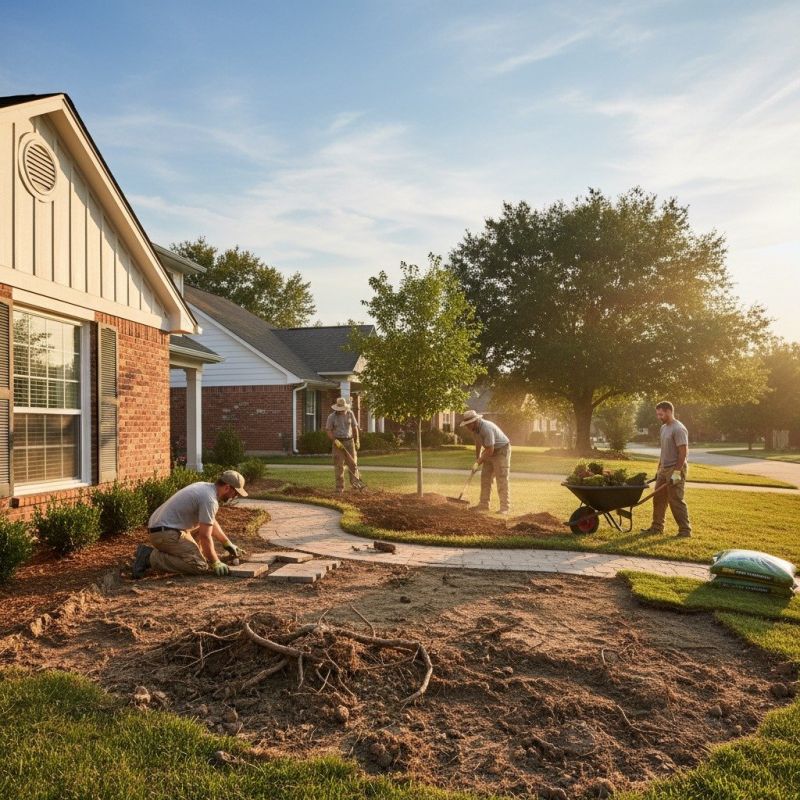
Clearly define the landscaping replacement project and compare local contractors based on experience and scope.
- Verify experience and expertise in landscaping replacement projects to ensure the contractor is qualified for the scope of work. - Review the contractor’s portfolio or references to assess previous similar projects.
- Define the scope of work clearly, including specific plant types, materials, and design elements to be replaced or installed. - Ensure all project details are documented in writing to prevent misunderstandings.
- Compare multiple service providers to evaluate their approaches, communication style, and level of professionalism. - Gathering multiple options helps identify the most suitable contractor for the project.
- Check that the contractor provides a detailed written proposal outlining the work to be completed and materials to be used. - A comprehensive scope helps set clear expectations and avoid surprises during the project.
- Assess the contractor’s reputation and track record through reviews or references from previous clients. - Reliable local contractors typically have a history of successful landscaping replacements.
- Ensure all project expectations, including materials, scope, and responsibilities, are documented in a formal agreement before work begins. - Written contracts help protect both parties and clarify project requirements.
Use this to compare local contractors, clarify project scope, and establish clear expectations in writing.




Use consistent comparison points across local contractors by clearly defining scope, verifying experience, and setting written expectations.
- Scope Definition - Clearly specify the areas and types of landscaping replacement needed to guide contractor selection.
- Material Selection - Identify preferred plant varieties, hardscape materials, and design elements for the project.
- Work Details - Outline the specific tasks, such as removal of existing landscaping and installation of new features.
- Experience Verification - Ensure local contractors have relevant experience with similar landscaping replacement projects.
- Written Agreement - Document the scope, materials, and expectations in a detailed contract before work begins.
When comparing contractors for landscaping replacement, it’s important to evaluate their experience with similar projects. Homeowners should inquire about the types of landscapes they have previously worked on and ask for examples or references that demonstrate their familiarity with the scope of work involved. Contractors with a proven track record in handling projects comparable in size, style, or complexity can provide insight into their ability to meet expectations and manage the specific demands of a landscaping replacement.
A clear, written scope of work is essential for ensuring mutual understanding of the project’s details. Homeowners should seek proposals that outline specific tasks, materials, and deliverables, avoiding vague descriptions or assumptions. A well-defined scope helps prevent misunderstandings and provides a foundation for evaluating the thoroughness and professionalism of each service provider. It also facilitates clear communication throughout the project, reducing the risk of surprises or unmet expectations.
Verification of a contractor’s background should focus on basic but important elements such as verifying their experience with similar projects and reviewing references or portfolios. While formal licensing or certification may not be explicitly required, understanding a contractor’s history and reputation can be achieved through direct questions and checking local business records or online reviews. This process helps confirm that the service provider has a dependable track record and the capacity to complete the work as specified.
When evaluating options, it’s valuable to compare the details of each contractor’s proposal, including scope, timeline estimates, and communication approach. Homeowners should ask questions to clarify any ambiguities and ensure the scope aligns with their expectations. Focusing on how well each service provider understands the project, their approach to managing the work, and their ability to provide detailed, written information can help identify the most suitable contractor for the landscaping replacement. This approach supports making an informed decision based on experience, clarity, and professionalism.
Ask contractors to provide written scope details to ensure clear expectations and consistent project understanding.
- Experience and Expertise - What experience do local contractors have with landscaping replacement projects similar to yours?
- Scope of Work - How clearly do contractors define the scope of the landscaping replacement in their proposals?
- Materials and Methods - What materials and techniques do service providers plan to use, and how do they align with your expectations?
- Project Details - How do local contractors specify the work involved, including plant selection, soil preparation, and installation processes?
- Documentation and Expectations - Are the project scope and responsibilities outlined in writing to ensure clarity and shared understanding?
What should I consider when choosing a contractor for landscaping replacement? It's important to compare the experience and reputation of local contractors, review their previous work, and ensure that the scope of work is clearly defined and documented in writing.
How can I verify a contractor’s experience with landscaping replacement projects? You can ask for references or examples of past projects similar to your needs, and confirm that they have a proven track record in handling landscaping replacements in your area.
What questions should I ask when evaluating potential service providers? Inquire about their process for scope definition, how they handle unexpected issues, and whether they provide detailed written agreements outlining the work to be performed.
Why is it important to have a detailed scope of work in writing? A written scope helps set clear expectations, reduces misunderstandings, and provides a reference point for the project’s deliverables and responsibilities.
How can I compare different local contractors effectively? Review their experience, request references, check their project portfolios, and ensure their scope of work and terms are clearly documented and comparable.
What role does communication play in a successful landscaping replacement project? Clear and consistent communication helps ensure that all parties understand the scope, expectations, and any changes, leading to a smoother project process.
Understanding the key aspects of landscaping replacement projects helps ensure clear communication and successful outcomes. Visitors have learned how to define the scope of work, verify the experience of service providers, and set expectations in writing to facilitate smooth collaboration. Using the quote form allows for easy comparison of local contractors, empowering homeowners to explore options that meet their specific project needs.
Taking the next step by using the quote form enables comparison among local contractors who can handle landscaping replacement work. This process provides an opportunity to gather information, clarify project details, and identify service providers best suited to individual preferences. Connecting with experienced local service providers through this platform can help make informed decisions for the landscape transformation.